Buyer's Guide: The 10 Best Cameras In The Market Today
The landscape of digital imaging has undergone a seismic shift in recent years. No longer restricted to the traditional handheld body and lens combination, the modern camera market now encompasses everything from cinematic powerhouses and specialized monochromatic tools to palm-sized drones and intelligent wildlife monitors. For the contemporary buyer, the challenge is rarely finding a camera that works; rather, it is finding the specific tool that aligns with a unique creative vision or lifestyle need. Whether the goal is to capture professional-grade aerial cinematography, document family history in high-fidelity physical formats, or monitor backyard biodiversity, the current technological era offers unprecedented variety.
Selecting a camera in today's market requires an understanding of diverse ecosystems. A cinematographer looking for a handheld run-and-gun setup has vastly different requirements than a street photographer who values tactile or minimalist controls. Furthermore, the rise of "smart" imaging—where artificial intelligence assists in tracking subjects or automating flight paths—has lowered the barrier to entry for high-end results while simultaneously raising the ceiling for what professionals can achieve. This guide analyzes ten of the most impactful imaging products available today, spanning various categories to help buyers navigate the complexities of modern optical technology.
Detailed Product Analysis
1. Canon EOS C50
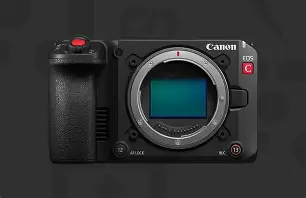
The Canon EOS C50 represents a pivotal moment for independent filmmakers and specialized broadcast professionals. Positioned as a bridge between high-end mirrorless systems and full-scale cinema rigs, the C50 utilizes Canon’s renowned RF mount system, allowing for the use of cutting-edge optics in a compact, cinema-optimized body. It addresses the growing demand for 4K high-frame-rate recording within a chassis that can be easily balanced on gimbals or mounted in tight spaces. Its Super 35mm sensor provides a cinematic depth of field that many documentary filmmakers prefer for its balance of subject isolation and focus management.
- Pros: Exceptional Dual Pixel CMOS AF for reliable subject tracking; internal ND filters for exposure control in changing light; robust professional I/O including full-size XLR inputs.
- Cons: Battery life can be limiting during long shoots without external power; the compact form factor may require additional rigging for certain tripod-based workflows.
2. Leica Q3 Monochrom
For the purist, the Leica Q3 Monochrom is a masterclass in specialized engineering. By removing the color filter array (CFA) from the sensor, Leica has created a device that captures light with incredible efficiency and tonal nuance. This results in images with lower noise at high ISOs and a level of micro-contrast that color sensors simply cannot replicate. Built around a fixed 28mm f/1.7 Summilux lens, it is a tool designed for street photography, architecture, and fine art where the play of light and shadow is the primary subject. It is a camera that forces the user to see the world in shapes and textures rather than hues.
- Pros: Unrivaled shadow detail and high ISO performance; legendary build quality with weather sealing; integrated macro mode for close-up work.
- Cons: Extremely high price point for a specialized tool; the 28mm focal length is fixed, requiring digital cropping for tighter frames.
3. DJI Mini 5 Pro
Drones have become an essential part of the modern photographer's kit, and the DJI Mini 5 Pro continues to push the limits of what a sub-240-gram aircraft can do. It is designed for travel enthusiasts and content creators who need professional-grade 4K/60fps video without the regulatory burden of heavier drones. The Mini 5 Pro features enhanced omnidirectional obstacle sensing, making it an ideal choice for beginners who want to fly safely in complex environments like forests or urban areas. Its ability to tilt the gimbal vertically for "True Vertical Shooting" remains a massive draw for those focused on social media platforms.
- Pros: Lightweight design bypasses many registration requirements; excellent dynamic range for its sensor size; improved transmission range and stability.
- Cons: Small size makes it more susceptible to high-altitude wind gusts; the lack of a mechanical shutter can lead to rolling shutter artifacts in fast-moving scenes.
4. Fujifilm X-T30 III
The Fujifilm X-T30 III serves as the perfect "everyday" camera for those who value both style and substance. It retains the classic aesthetic that Fujifilm is known for—complete with tactile dials for shutter speed and exposure compensation—but houses a modern X-Trans sensor capable of stunning detail. It is particularly beloved for its Film Simulations, which allow photographers to achieve a curated "look" in-camera without extensive post-processing. It is equally adept at travel photography, portraiture, and casual videography, making it one of the most versatile mid-range options on the market.
- Pros: Highly portable and aesthetically pleasing design; exceptional JPEG output with customizable film looks; fast and accurate face/eye detection.
- Cons: Grip can feel a bit small for users with larger hands; lacks the more robust weather sealing found in the X-T5 series.
5. Panasonic HC-X1200
While mirrorless cameras dominate the headlines, the Panasonic HC-X1200 proves that the dedicated camcorder still has a vital place in the market. Designed for live events, education, and news-gathering, the HC-X1200 features a powerful 24x optical zoom lens that covers a range from 25mm wide-angle to 600mm telephoto. This eliminates the need for lens swaps in fast-paced environments. With built-in Wi-Fi and support for direct streaming to platforms like YouTube and Facebook, it is a turnkey solution for organizations that need reliable, high-quality video with minimal setup time.
Shop the latest Cameras & Photography picks on Amazon.
Browse Now →- Pros: Integrated long-range zoom lens is incredibly versatile; built-in LED video light for low-light reporting; dual SD card slots for redundant recording.
- Cons: Small 1/2.5-inch sensor limits low-light performance compared to cinema cameras; the fixed lens means you cannot achieve extremely wide angles without converters.
6. DJI Neo 2
The DJI Neo 2 is a specialized "vlog-first" drone that emphasizes ease of use over traditional flight controls. It is designed to be launched from the palm of the hand and can automatically track a subject using AI-driven flight paths. It is the perfect companion for solo adventurers who want to capture "follow-me" footage while hiking, cycling, or exploring. Unlike larger drones, the Neo 2 is incredibly discreet and quiet, making it suitable for capturing candid moments without drawing excessive attention.
- Pros: Extreme portability and ease of operation; AI subject tracking works reliably for solo creators; very affordable entry point into the DJI ecosystem.
- Cons: Limited flight time due to its small battery; image stabilization is digital rather than mechanical, which can affect clarity in turbulent air.
7. Peckperk Smart Bird Feeder Camera
The Peckperk Smart Bird Feeder Camera represents the intersection of wildlife photography and smart home technology. It is a niche but burgeoning category that appeals to nature lovers and backyard enthusiasts. The camera is integrated into a bird feeder and uses AI to identify over 10,000 species of birds, sending real-time notifications to the user’s smartphone when a visitor arrives. It captures high-definition video of birds at a proximity that would be impossible with traditional handheld gear, providing a unique "eye-to-eye" perspective on nature.
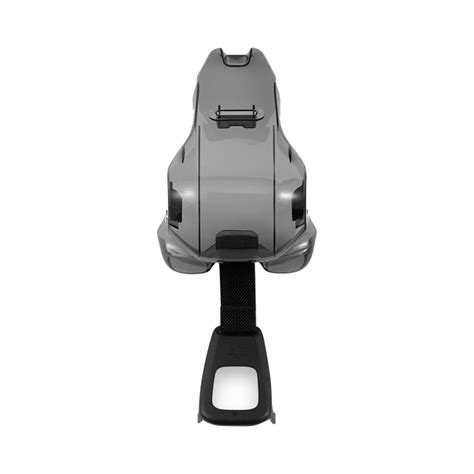
- Pros: Automatic species identification adds an educational element; solar-powered options reduce the need for manual charging; durable, weather-resistant construction.
- Cons: Dependent on a strong Wi-In signal for live notifications; video resolution is capped to accommodate wireless data transfer.
8. DJI Osmo Nano
The DJI Osmo Nano is a miniaturized stabilized camera designed for those who find even a smartphone too cumbersome for active capture. It utilizes a mechanical 3-axis gimbal to ensure buttery smooth video while the user is running, skiing, or walking. It is a fantastic tool for family vacations or "day-in-the-life" content where stability is paramount but a large rig is unwanted. Despite its size, it supports features like timelapse, panorama, and high-speed face tracking, making it a surprisingly powerful creative engine.
- Pros: Fits easily in a pocket or small bag; mechanical stabilization is superior to smartphone electronic stabilization; fast startup time ensures you never miss a moment.
- Cons: Small screen can be difficult to use for precise framing; audio quality often requires an external microphone for professional results.
9. Once Upon Photo Book
While not a traditional "capturing" device, the Once Upon Photo Book platform is a modern solution to the "digital hoarding" problem. In an age where thousands of photos sit forgotten on cloud drives, Once Upon provides an intuitive, mobile-first way to curate and print high-quality physical books. It is an essential part of the imaging ecosystem because it focuses on the final output—preserving memories in a tactile, durable format that can be shared across generations. The focus here is on layout simplicity and paper quality, ensuring that the images captured on the cameras above are properly honored.
- Pros: Mobile app interface is remarkably fast and easy to navigate; high-quality semi-matte paper options; clean, Scandinavian-inspired design themes.
- Cons: Limited customization for those who want total control over every pixel of the layout; shipping times can vary depending on the region.
- Details: Standard sizes include 20x20cm and 27x27cm; options for both softcover and hardcover.
10. Papier Photo Book
Similar to Once Upon, Papier offers a more traditional and elegant approach to photo preservation. Papier is known for its collaboration with artists and illustrators, offering cover designs that feel like high-end stationery or decorative objects. Their photo books are often chosen for major life milestones such as weddings, anniversaries, or the first year of a child’s life. The tactile experience of the textured covers and the heavy-weight paper makes these books premium artifacts that stand out on a bookshelf.
- Pros: Stunning cover designs and luxury paper stocks; excellent Gift-ability due to premium packaging; diverse range of themes from classic to contemporary.
- Cons: The web-based editor can be slower than dedicated mobile apps; premium materials result in a higher price point per book.
- Details: Offers several formats including Landscape, Square, and Portrait; uses FSC-certified paper.
Market Comparison
To better understand how these diverse products fit into a buyer's life, the following table compares the primary functions and target audiences for these top-tier imaging solutions.
| Product Name | Primary Category | Key Use Case | Target Audience |
|---|---|---|---|
| Canon EOS C50 | Cinema Camera | Professional Video Production | Independent Filmmakers |
| Leica Q3 Monochrom | Fixed-Lens Compact | Fine Art B&W Photography | Purists & Art Photographers |
| DJI Mini 5 Pro | Drone | Aerial Cinematography | Travelers & Content Creators |
| Fujifilm X-T30 III | Mirrorless | General Photography | Hobbyists & Street Photographers |
| Panasonic HC-X1200 | Camcorder | Live Events & News | Organizations & Broadcasters |
| DJI Neo 2 | Vlog Drone | Self-Follow Content | Solo Influencers |
| Peckperk Smart camera | Wildlife/Home | Nature Observation | Birders & Families |
| Once Upon Photo Book | Preservation | Memory Curation | Busy Parents/Travelers |
Buying Guide: Finding the Right System
When entering the market for a new camera, the sheer volume of specifications can be overwhelming. To make an informed decision, potential buyers should evaluate their needs based on the following four pillars: portability, output intent, technical proficiency, and ecosystem compatibility.
Find top-rated Cameras & Photography products at great prices.
Shop Amazon →Portability vs. Power
The first question every buyer must ask is: "Where will I actually use this?" Many beginners make the mistake of buying a heavy cinema rig like the Canon EOS C50 when their lifestyle actually demands the pocketable convenience of the DJI Osmo Nano. If your primary goal is to capture memories while traveling, a lightweight mirrorless system like the Fujifilm X-T30 III or a compact drone like the DJI Mini 5 Pro is often the better investment. Conversely, if you are working on a controlled set or filming a wedding, the ergonomics and professional ports of a larger dedicated video camera become essential tools rather than burdens.
Output Intent: Digital vs. Physical
Consider the final destination of your images. If you are a social media creator, features like vertical shooting modes (found in the DJI Mini 5 Pro) and fast wireless transfer are paramount. However, if your goal is long-term family preservation, you should shift part of your focus toward high-quality printing solutions. This is where services like Once Upon or Papier come in. A buyer should consider a camera's resolution not just for digital screens, but for how it will look when printed in a large-format photo book. Higher resolution sensors afford you the ability to crop images while maintaining the sharpness required for physical printing.
Handling Light and Color
The sensor is the heart of any camera. For those who want to master the art of light, specialized tools like the Leica Q3 Monochrom offer a unique path that emphasizes composition over color. However, most users will benefit more from versatile sensors that offer high dynamic range (HDR). Dynamic range is what allows a camera to capture detail in both the bright sky and the dark shadows of a landscape. If you often shoot in challenging lighting—such as at sunset or indoors—prioritize sensors with larger physical dimensions or back-illuminated (BSI) technology.
Automation and AI
Modern cameras are increasingly "intelligent." Devices like the Peckperk Smart Bird Feeder Camera or the DJI Neo 2 rely heavily on AI to perform tasks that previously required human expertise, such as identifying a Red-breasted Nuthatch or tracking a runner through a crowded park. Beginners should look for cameras with robust autofocus tracking and intelligent "auto" modes, while advanced users might look for AI features that speed up their workflow, such as automatic categorizing of footage or advanced subject detection in professional firmware.

Conclusion
The "best" camera is never a universal truth; it is a subjective match between a tool's capabilities and a creator's intent. Today's market provides an incredible array of options that cater to every possible niche. For the storyteller who wants to capture the world from above, the DJI drones provide a perspective that was once gated by expensive helicopter rentals. For the artist looking to strip away the distractions of color, the Leica Monochrom offers a silent, powerful companion. For the family historian, the tactile beauty of a Papier book ensures that memories aren't lost to the ether of a hard drive crash. By understanding the specific strengths and trade-offs of these ten industry-leading products, buyers can invest in technology that not only captures images but inspires the act of creation itself.