Biggest Arctis Nova 1 Buying Mistakes (And How to Avoid Them)
Introduction
The Arctis Nova 1 is frequently recommended as a solid entry in the Arctis Nova family: a headset aimed at gamers and everyday listeners who want clear audio and reliable build quality without a lot of fuss. Yet buyers still make predictable mistakes when choosing this headset — mistakes that lead to disappointment, returns, or compromises in comfort and performance.
This article examines the most common buying errors people make with the Arctis Nova 1 and explains how to avoid them. It blends practical, real-world use cases with an objective analysis of the headset's strengths and limitations so potential buyers can make an informed decision that matches their needs.
What this article covers
- Typical user scenarios and what matters most in each
- A clear breakdown of design, comfort, sound quality, microphone performance, and connectivity
- Common buying mistakes and concrete steps to avoid them
- Pros and cons and a concise comparison table for context
- A buying guide checklist to bring to the purchase
Product review and analysis
Design and build
The Arctis Nova 1 follows a design philosophy that balances understated aesthetics with durable materials. It is not an overly flashy headset; the emphasis is on clean lines and functional elements. For buyers who value a no-nonsense look and a headset that fits into a mixed-use setup (gaming desk, living-room console, or work-from-home desk), this approach is beneficial.
Real-world buyers care about weight, clamping force, and hinge durability. In practice, this headset typically sits in a middle ground: light enough for long sessions, with a suspension-style headband or a padded strap that reduces hotspotting for many users. However, buyers who prioritize metal frames or premium finish may be disappointed if they expect flagship-level materials.
Comfort and fit
Comfort is a make-or-break factor during extended gaming sessions or long conference calls. Earcup size, cushion material, and headband pressure determine whether a headset remains comfortable after two or three hours. Users who wear glasses, or those with larger ears/heads, should pay attention to pad shape and depth: shallow cups or very tight clamping can cause discomfort even with otherwise good audio performance.
Practical tip: testers often recommend trying the headset on — or buying from a retailer with a decent return window — because what’s comfortable to one person can irritate another. If the Arctis Nova 1 is used across household members, the suspension-style headband helps with quick adjustability between users.
Sound quality
Sound quality expectations vary wildly: competitive gamers prioritize positional clarity and midrange accuracy for footsteps and voice, whereas music listeners may want fuller bass and wider soundstage. The Arctis Nova 1 positions itself as a balanced gaming headset, with enough clarity in the mids and highs for tactical awareness and a controlled low end that works for explosions and music, without over-emphasizing bass.
Buyers should understand this trade-off: a balanced tuning suits mixed use but may not satisfy bass-heads who prefer a boomy signature for electronic music or stereo audiophiles seeking expansive soundstage. For competitive play, many users benefit from using EQ presets or companion software (if available) to tune the headset for their priority — the default profile is rarely optimal for every use case.
Microphone and voice communication
Voice clarity is a top concern for streamers, competitive players, and remote workers. The Arctis Nova 1’s mic aims for intelligibility and noise handling rather than studio-grade recording fidelity. In practice, buyers who primarily use voice chat for coordination or calls will find the mic adequate; those expecting broadcast-quality capture should consider a dedicated desktop microphone.
One common oversight is assuming any gaming headset mic will remove background noise completely. Buyers in noisy environments should test the mic in their typical setting — noisy households, shared apartments, or echo-prone rooms — to verify acceptable pickup and background suppression.
Connectivity and compatibility
Understanding connectors and platform compatibility is a critical pre-purchase step. The Arctis Nova 1 is generally offered in wired configurations intended to work with PCs, consoles, and mobile devices depending on the cables and adapters bundled. Buyers need to match the headset's connectors to their primary devices: a 3.5mm jack works broadly, while USB-C or USB-A variants can provide different features or power for virtual surround/sound processing.
Shop the latest Audio & Headphones picks on Amazon.
View Offers →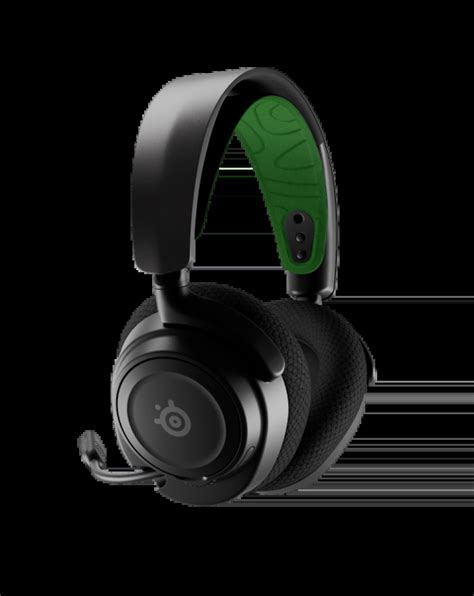
Common compatibility mistakes include assuming a headset will support console chat functionality without checking the console's audio jack wiring or forgetting that some PC features require software that may not be available or supported on consoles.
Software and customization
Some buyers assume that a headset's sound is fixed out of the box. In reality, companion software often provides EQ, presets, and virtual surround settings that can materially change the experience. For users who like to tweak audio or apply game/voice profiles, verifying software availability, platform support, and driver stability is essential.
If a buyer relies on a console or mobile device that does not support the manufacturer’s PC software, they should accept that equalization options will be limited to in-device controls or third-party apps.
Durability and warranty considerations
Durability matters for commuters, LAN-goers, and families. Buyers should check the warranty and whether common wear parts are user-replaceable (ear cushions, cables). The Arctis Nova 1 typically aims for everyday robustness, but buyers who expect heavy daily transport or very rough handling should plan for protective storage and possibly seek a model with reinforced hinges and replaceable parts.
Pros & Cons
- Pros
- Balanced sound profile suitable for mixed gaming and media use
- Comfort-oriented design for extended sessions
- Simple, understated aesthetics that fit multiple environments
- Good microphone clarity for in-game chat and calls
- Wired connectivity minimizes latency and avoids battery worries
- Cons
- May not satisfy bass-preferring music listeners without EQ adjustments
- Potential confusion over connector variants and platform compatibility
- Not a substitute for a dedicated studio microphone for streamers
- Build materials are mid-range rather than premium flagship level
- Some advanced features may require platform-limited software
Comparison table — Where Arctis Nova 1 fits
| Feature | Arctis Nova 1 (Wired) | Arctis Nova 7 (Wireless - reference) | Typical Mid-Range Wired Headset |
|---|---|---|---|
| Connectivity | Wired — low latency, no battery | Wireless — added flexibility, battery required | Wired — reliable, often 3.5mm or USB |
| Best for | Mixed gaming and everyday media | Mobile setups, multi-platform play, convenience | Competitive players seeking simplicity and affordability |
| Sound profile | Balanced — designed for clarity and versatility | Balanced to slightly warm — often includes wireless tuning | Varies — many lean bass-forward or bright for esports |
| Microphone | Clear for chat and calls | Clear, often with more advanced wireless processing | Good to adequate depending on price |
| Software features | May offer companion EQ on supported platforms | Often richer software feature-set and wireless settings | Limited to moderate software or none |
Biggest buying mistakes and how to avoid them
Mistake 1: Ignoring connector and platform details
Why it matters: Buyers often assume the headset will work the same everywhere. A mismatch between the headset’s cable/connector and the device can mean missing microphone support or losing features.
How to avoid it: Check whether the Arctis Nova 1 is the USB, USB-C, or 3.5mm variant in the listing. Confirm that the target device (PC sound card, PS/ Xbox controller, mobile device) supports chat and mic on that connector type. If unsure, contact retailer support or prioritize sellers with free returns.
Mistake 2: Underestimating fit and comfort for long sessions
Why it matters: Even excellent audio is ruined by pressure points or poorly shaped cups.
How to avoid it: Look for user photos and first-hand reports about headband pressure and earcup size. If possible, try the headset on in-store or buy from a seller with an extended return window. Consider whether the headset will be used by people wearing glasses — buyers with glasses should seek larger earcups and softer padding.
Mistake 3: Expecting out-of-the-box perfect tuning
Why it matters: Headset tuning is subjective. A balanced factory tuning will not satisfy every listener.
How to avoid it: Plan to use EQ or software presets. Research whether the Arctis Nova 1 supports a companion app for PC and what customization options exist. Buyers who cannot or will not use EQ should audition the headset in the store or via a reviewer's sound tests.
Mistake 4: Assuming the microphone removes all background noise
Why it matters: Microphones improve intelligibility but are not magic; noisy environments still affect voice clarity.
Looking for the best Audio & Headphones deals on Amazon?
See Deals →How to avoid it: Record a short test in your usual environment if possible. For buyers in busy households or shared spaces, consider noise-reduction strategies: moving to a quieter room, using software noise suppression on the host device, or choosing a dedicated microphone with a cardioid pattern.
Mistake 5: Neglecting warranty, return policy, and replacement parts
Why it matters: Headsets encounter normal wear (worn pads, cable frays) and accidental damage.
How to avoid it: Verify the warranty period, what it covers, and whether replacement ear pads and cables are available separately. If the buyer plans to travel with the headset, invest in a protective case and confirm whether the manufacturer offers replacement parts.
Buying guide — Checklist before buying an Arctis Nova 1
- Identify the primary use case: competitive FPS, console gaming, music listening, or voice work. Match expectations to the headset’s strengths.
- Confirm connector type and platform compatibility: USB, USB-C, or 3.5mm — make sure the mic and controls work on the intended device.
- Check comfort factors: earcup depth, pad material, headband design, and clamp force. If possible, try on the headset or buy from a seller with a flexible return policy.
- Research software availability: does the headset offer EQ and presets? Are those features available on the buyer’s platform?
- Test the microphone in realistic conditions: quiet room, noisy background, or during voice chat — whichever represents typical use.
- Look for warranty and replaceable parts: ear pads and cables should be replaceable or readily available.
- Consider future-proofing: if the buyer expects to switch platforms, choose a variant or accessories that offer cross-device compatibility.
- Read multiple reviews and user reports: prioritize hands-on reviews that report real-world long-session comfort and mic tests rather than benchmark-only results.
Real-world use cases and recommendations
Competitive gamer on PC
What matters: low latency, clear positional audio, and a microphone that lets callouts be heard. The Arctis Nova 1’s wired nature benefits latency-sensitive play. To optimize, the player should use a Windows EQ preset tuned for esports or rely on game audio tweaks to prioritize footsteps.
Console player with friends
What matters: simple connectivity and cross-platform voice chat. For console use, the buyer must verify chat support with the console controller or interface. If the headset comes in a USB variant, they should confirm whether voice passes through the console when connected via USB.
Streamer or content creator
What matters: microphone quality and comfort for long sessions. While the headset mic is serviceable for streaming, many creators pair a headset for monitoring and a separate desktop mic for broadcast-quality audio. This hybrid approach preserves comfort and vocal fidelity.
Remote worker / hybrid meetings
What matters: clarity of speech and comfort through multiple calls a day. The headset’s comfortable fit and intelligible mic make it a practical single-device solution for professionals who alternate between meetings and light media consumption.
Conclusion
The Arctis Nova 1 is a practical choice for buyers who want a balanced, comfortable gaming headset that performs well across mixed use cases. The most common problems arise from mismatched expectations and skipped due diligence: buying the wrong connector variant, assuming perfect out-of-the-box tuning, or overlooking how fit affects long-session comfort.
By aligning the purchase with the buyer’s primary use case, verifying connector compatibility, testing the microphone in realistic conditions, and planning to use EQ or companion software where helpful, buyers can avoid the typical pitfalls and get a headset that serves them well for games, calls, and everyday media.